
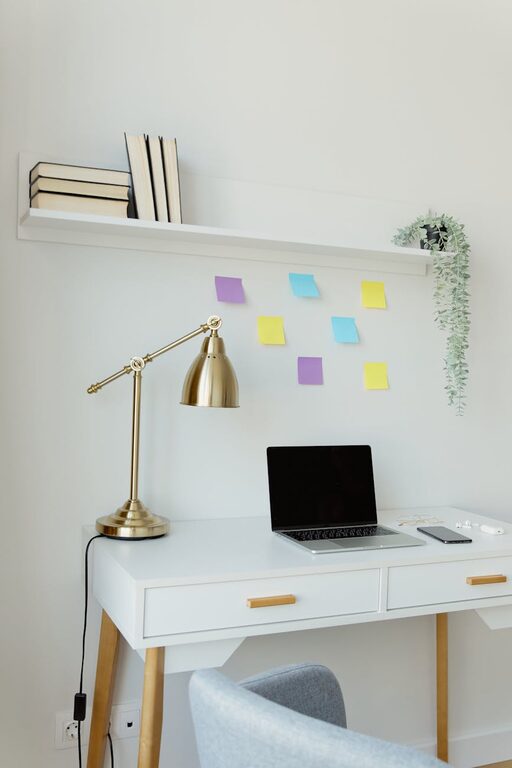
Creating a cozy and productive home workspace is essential for anyone working remotely or spending significant time on home projects. A well-designed workspace can boost your focus, reduce stress, and make your workday more enjoyable. Whether you have a dedicated room or a small corner, here are some helpful tips to make your home workspace both cozy and productive.
1. Choose the Right Location
The first step in creating an ideal home workspace is selecting the best spot in your home.
– Natural Light is Key: Position your desk near a window to benefit from natural light. This helps reduce eye strain and can boost your mood.
– Minimize Distractions: Find a quiet area away from heavy foot traffic or noisy household activities.
– Space Considerations: Ensure you have enough room for your computer, supplies, and any necessary equipment without feeling cramped.
2. Invest in Comfortable Furniture
Comfort directly impacts productivity, so selecting the right furniture is important.
– Ergonomic Chair: Choose a chair that supports your back and encourages good posture to avoid discomfort.
– Desk Height: Your desk should be at a comfortable height so that your arms rest naturally when typing or writing.
– Consider Adjustable Options: Desks or chairs that adjust in height can help you switch between sitting and standing, promoting better circulation.
3. Optimize Lighting
Good lighting reduces eye strain and creates a welcoming atmosphere.
– Layered Lighting: Combine natural light with overhead, task, and ambient lighting to suit different activities.
– Task Lighting: A desk lamp with adjustable brightness helps focus on paperwork or reading.
– Avoid Glare: Position screens and lamps to minimize reflections and glare.
4. Keep Your Space Organized
An organized workspace reduces stress and makes it easier to find what you need.
– Declutter Regularly: Remove unnecessary items and keep only essential tools on your desk.
– Storage Solutions: Use shelves, drawers, and organizers to store supplies neatly.
– Use Cable Management: Keep cords untangled and out of sight with clips or cable organizers.
5. Personalize Your Workspace
Adding personal touches makes your space feel inviting and motivates you.
– Decorate with Plants: Small indoor plants can improve air quality and add a calming natural element.
– Inspirational Items: Photos, artwork, or quotes that inspire you can boost your mood.
– Choose Soothing Colors: Soft, neutral colors or your favorite hues can make the space feel warm and comfortable.
6. Minimize Noise Distractions
Noise can disrupt concentration, so creating a quiet environment is beneficial.
– Use Noise-Cancelling Headphones: These can help you stay focused in noisy environments.
– Add Soft Textiles: Rugs, curtains, and cushions absorb sound and soften the room.
– White Noise Machines: If needed, these devices create consistent background sound that blocks distracting noises.
7. Set a Routine and Break Area
Your productivity also depends on habits and environment.
– Designate Work Hours: Stick to specific times to create structure in your day.
– Take Breaks Away from Your Desk: Having a separate spot to relax helps you recharge.
– Keep Hydrated and Move: Keep a water bottle nearby and get up regularly to stretch or walk.
8. Utilize Technology Wisely
Technology tools can enhance productivity without adding clutter.
– Dual Monitors: If your work involves multiple apps or documents, extra screens can increase efficiency.
– Organize Digital Files: Keep your computer desktop and files tidy to save time.
– Use Productivity Apps: Apps for task management and focus can help keep you on track.
9. Maintain Good Air Quality
Fresh air helps keep your energy levels up and your mind clear.
– Ventilation: Open windows when possible or use fans to circulate air.
– Air Purifiers: These can reduce pollutants and allergens in closed rooms.
– Avoid Strong Scents: While some scents relax, overwhelming fragrances can be distracting or irritating.
Conclusion
Creating a cozy and productive home workspace is about balancing comfort and functionality. By thoughtfully arranging your location, furniture, lighting, and organization, you create an environment that supports focus and well-being. Personal touches and careful management of noise and air quality further enhance your experience. With these tips, you’ll not only improve your productivity but also enjoy your time spent working from home.
Related Posts

Tips for Creating a Cozy and Inviting Reading Nook at Home
Creating a cozy and inviting reading nook at home can…

How to Create a Cozy and Inviting Reading Nook at Home
Creating a cozy and inviting reading nook in your home…
Tips for Creating an Organized and Productive Home Workspace
Creating an organized and productive home workspace is essential for…